5 keywords
Before rules text
These keywords show up before the main rules box, so you read them before the card effect.
Database 7
Need a keyword fast? This page keeps every current card keyword in one vertical list, shows where the label appears on the card, and links to cards that actually use it.
Start with the exact rules line. Then check whether the keyword is printed before or after the main text box, and open a few real cards to see the rule in play.
These keywords show up before the main rules box, so you read them before the card effect.
These keywords sit after the rules box and usually describe what happens to the card once it resolves or leaves your hand.
Database Editorial
Mechanics pages turn to sludge when they drift from exact wording into vague player memory. This one is supposed to keep every current card keyword tied to its printed rule line, placement on the card, representative examples, and upgrade-only cases that people routinely misread.
This glossary matters because small wording differences produce large gameplay mistakes. With 7 current keywords and 176 cards using them, the real value is not the count. It is the ability to see the exact rules line, where the keyword is printed, and which real cards carry it.
That keeps the page grounded. A keyword dictionary should reduce confusion, not inflate it with fan-theory wording. If you need a broader combat rule, the site should send you elsewhere instead of pretending one glossary entry can explain the whole game.
Each keyword entry comes from the current mechanics dataset, which already maps the rule text, placement on the card, pool breakdown, featured card examples, full card rollup, and upgrade-only cases. The page does not invent alternate wording when the printed rule is already enough.
That is also why the examples matter. Real cards anchor the definition. Instead of pretending the keyword exists in a vacuum, the glossary shows who uses it, whether the keyword appears on base or upgraded frames, and how concentrated it is across the current pools.
The most useful question on a keyword page is usually not "what is the theme?" It is "what does the printed line actually say, and when does that line appear on the card?" Placement helps because some keywords are part of the card frame language while others sit after the main rules box and behave differently in practice.
Upgrade state matters just as much. A keyword that only appears after upgrade is not active on the base card, no matter how often players mentally collapse the two versions into one. This page keeps those upgrade-added cases visible because that specific mistake keeps costing real runs.
The classic trap is collapsing two related mechanics into one because they both feel like "discard" or "temporary." That is how players mix up Ethereal, Exhaust, Retain, or any other nearby concept and then blame the game when the run line breaks.
The second trap is reading a concentrated pool distribution as if the glossary were making a design claim. It is not. The page is only telling you where the keyword currently appears. It is not promising even spread, future support, or hidden variants outside the live set.
Once the glossary settles the wording, these pages handle deckbuilding, power-state interaction, and character context. That is a cleaner split than forcing the dictionary to pretend it is also a strategy guide.
See the full card pool once you know which keyword or upgrade case you care about.
Open page ->Powers DatabaseMove here when the keyword question spills into status icons, trigger families, or combat-state timing.
Open page ->Character GuidesUse the strategy layer when the keyword is clear but the real question is who wants it and why.
Open page ->Maintenance Signals
Reference pages need a visible owner and scope, otherwise they read like unmaintained dumps. These signals say what data surface is being maintained and what the page deliberately does not promise.
Independent fan-made editors and data maintainers. This is not an official Slay the Spire 2 or Mega Crit property.
Final site operator and responsible editor. Final contact for corrections, rights notices, and maintenance triage via [email protected].
Visible copy, links, and page-level signals were checked in the latest review pass.
If a patch moves the numbers, wording, or assumptions behind this page, the page gets revised, narrowed, or rechecked again.
If the site does not expose a stable property cleanly yet, the page should point you deeper instead of inventing certainty.
Database and glossary pages surface the live site dataset cleanly, but they do not replace deck, route, or encounter judgment.
There are only seven current card keywords. The filters are here to help you jump to the right entry quickly, not to bury the page in extra UI.
Removed until the end of combat.
Exhaust shows up on 100 cards across 10 pools. 100 base versions and 82 upgraded versions carry it. The biggest pool is Colorless with 18 cards.
If this card is in your Hand at the end of this turn, it is Exhausted.
Ethereal shows up on 18 cards across 7 pools. 18 base versions and 15 upgraded versions carry it. The biggest pool is Necrobinder with 8 cards.
Start each combat with this card in your Hand.
Innate shows up on 24 cards across 8 pools. 15 cards add it only after upgrade. The biggest pool is Silent with 6 cards.
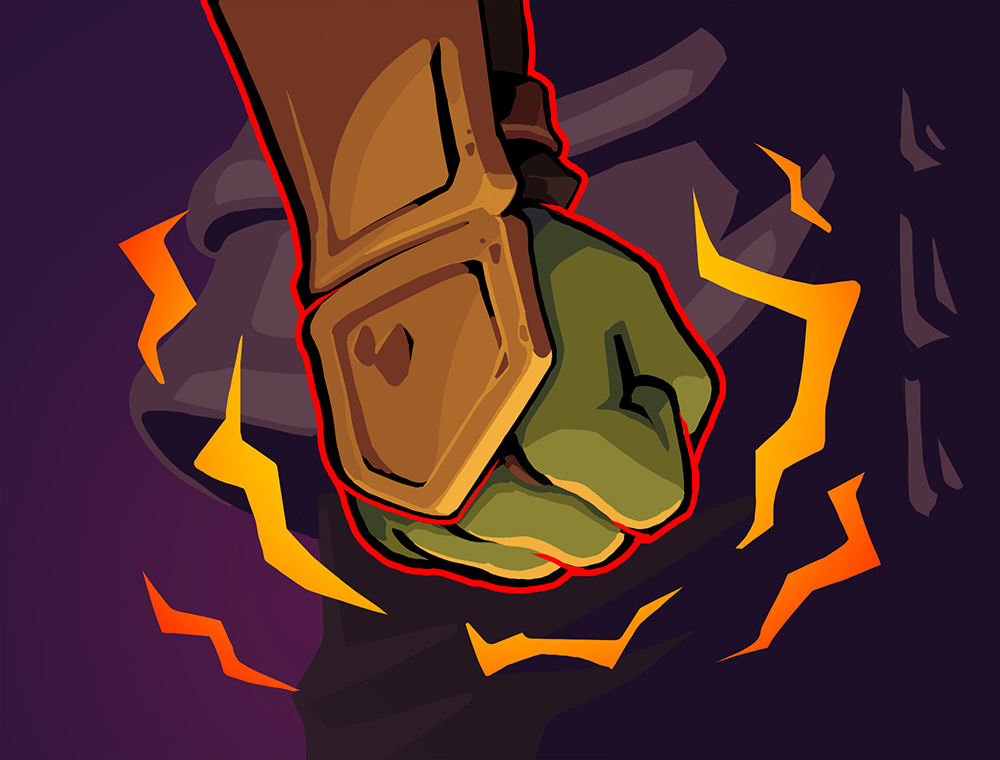
At the start of your turn, put a random Attack from your Discard Pile into your Hand and Upgrade it.
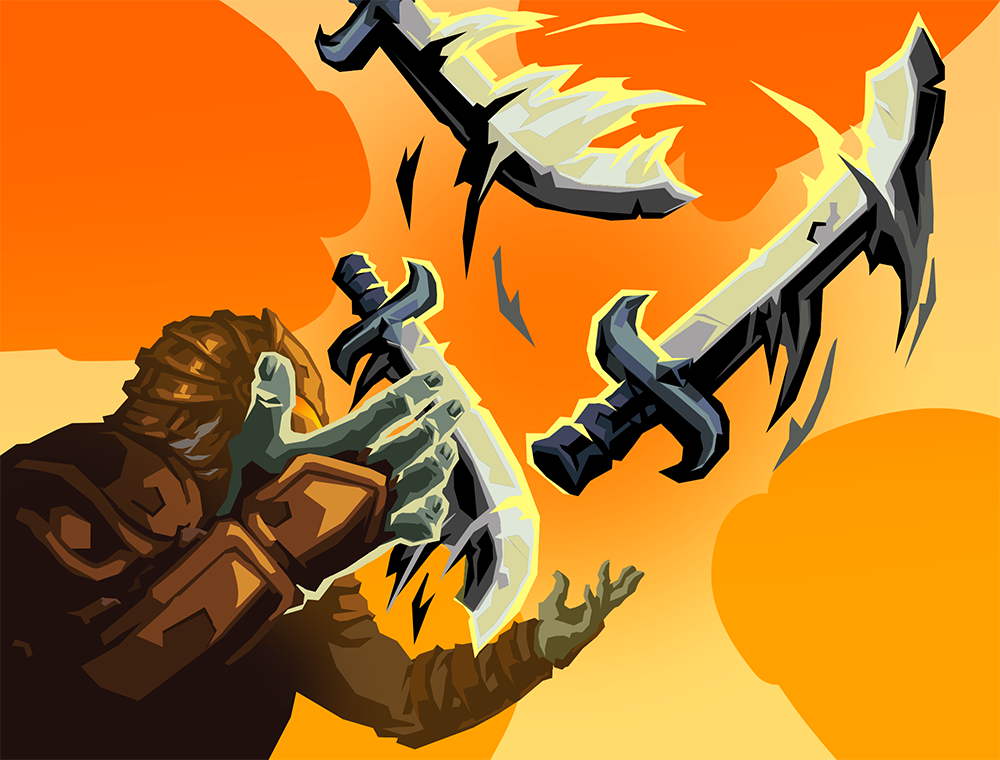
Add a copy of the third Attack you play each turn into your Hand.
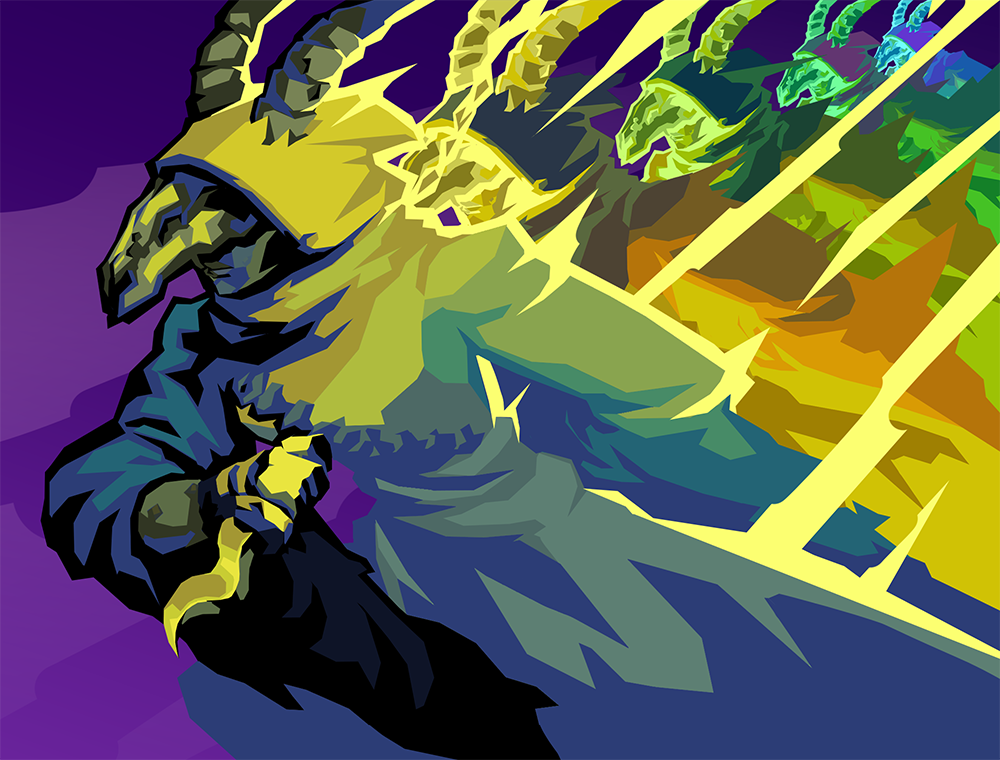
Whenever you play a card, gain 1 Block.
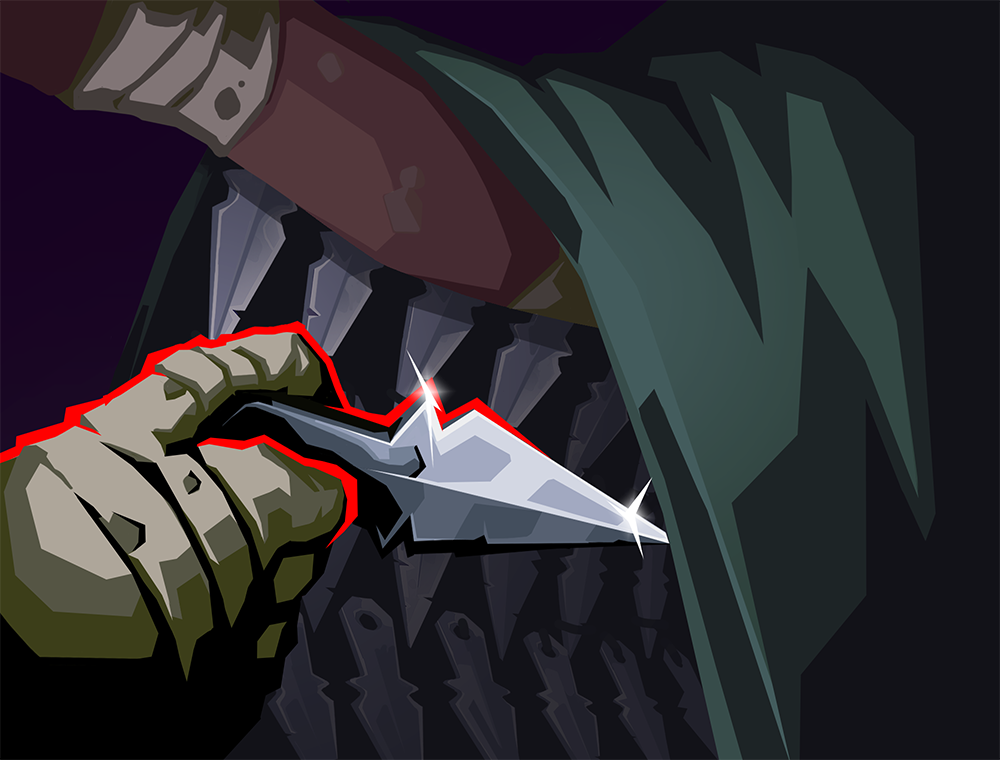
At the start of your turn, add 1 Shiv into your Hand.
At the start of your turn, put a random Attack from your Discard Pile into your Hand and Upgrade it.
Add a copy of the third Attack you play each turn into your Hand.
Whenever you play a card, gain 1 Block.
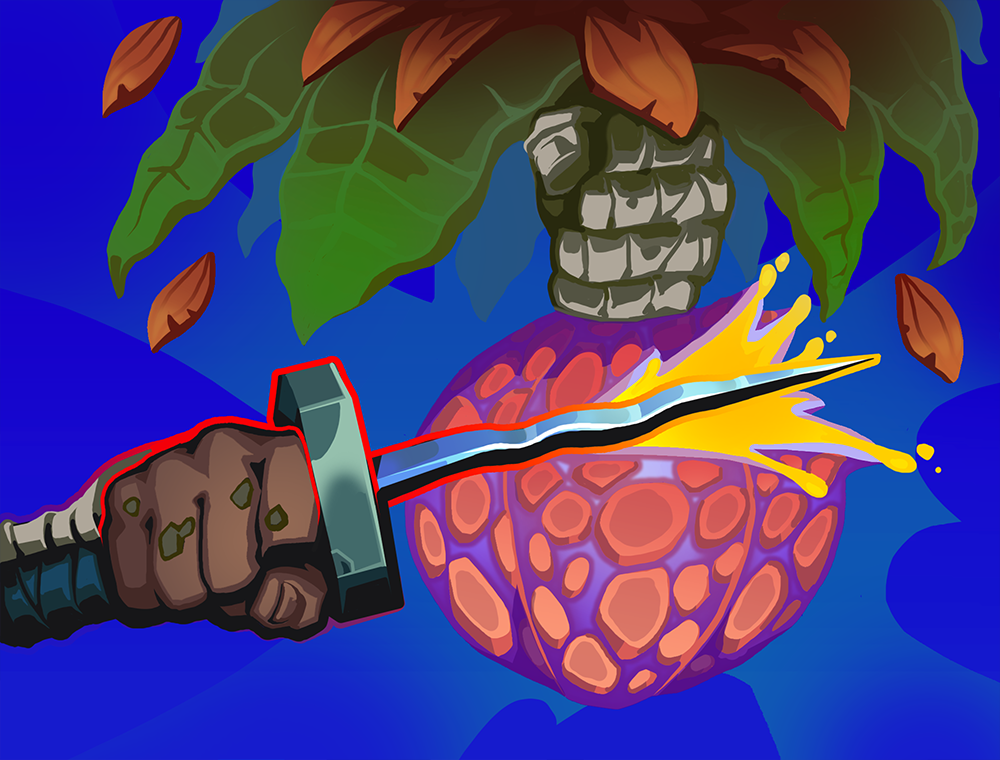
Deal 10 damage.
Unplayable cards cannot be played.
Unplayable shows up on 27 cards across 3 pools. 27 base versions and 27 upgraded versions carry it. The biggest pool is Curse with 16 cards.
Retained cards are not discarded at the end of turn.
Retain shows up on 24 cards across 7 pools. 12 cards add it only after upgrade. The biggest pool is Necrobinder with 10 cards.
If this card is discarded from your Hand before the end of your turn, play it for free.
Sly shows up on 7 cards across 1 pools. 7 base versions and 7 upgraded versions carry it. The biggest pool is Silent with 7 cards.
Cannot be removed or transformed from your Deck.
Eternal shows up on 7 cards across 2 pools. 7 base versions and 7 upgraded versions carry it. The biggest pool is Curse with 6 cards.
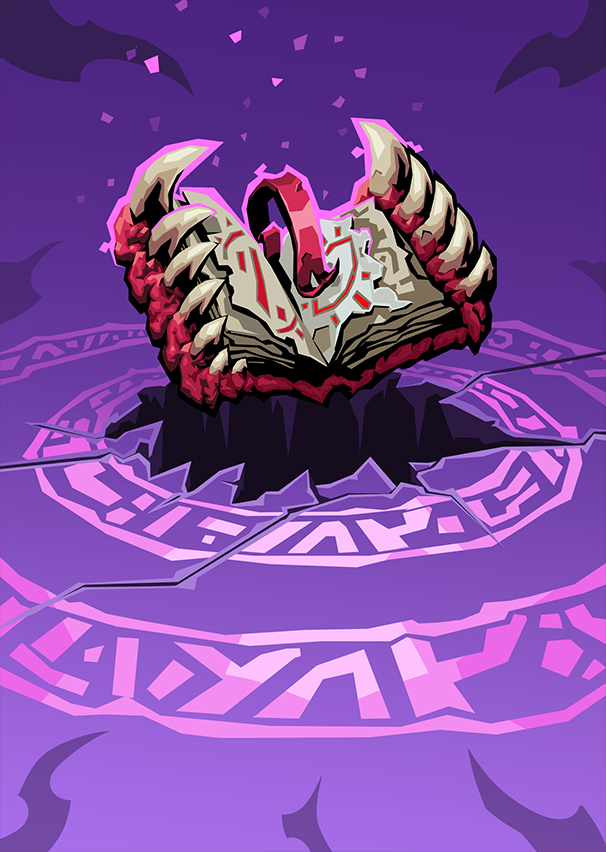
At the end of combat, you may remove a card from your Deck.
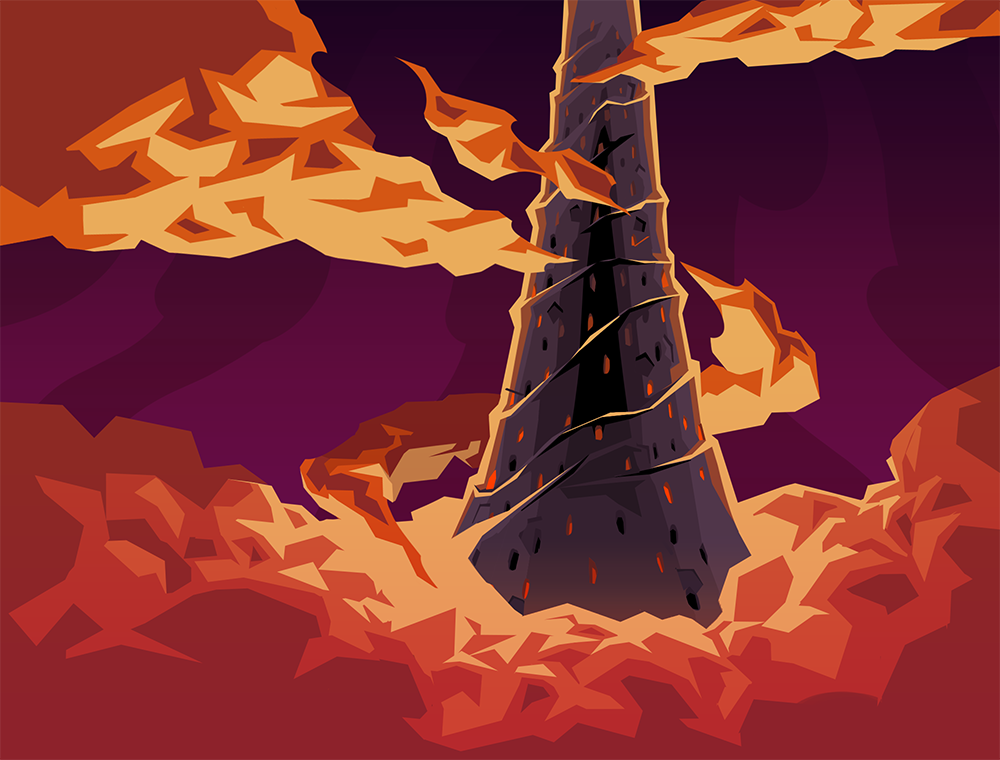
Open the card page for the full rules text.

At the end of your turn, if this is in your Hand, lose 13 HP.
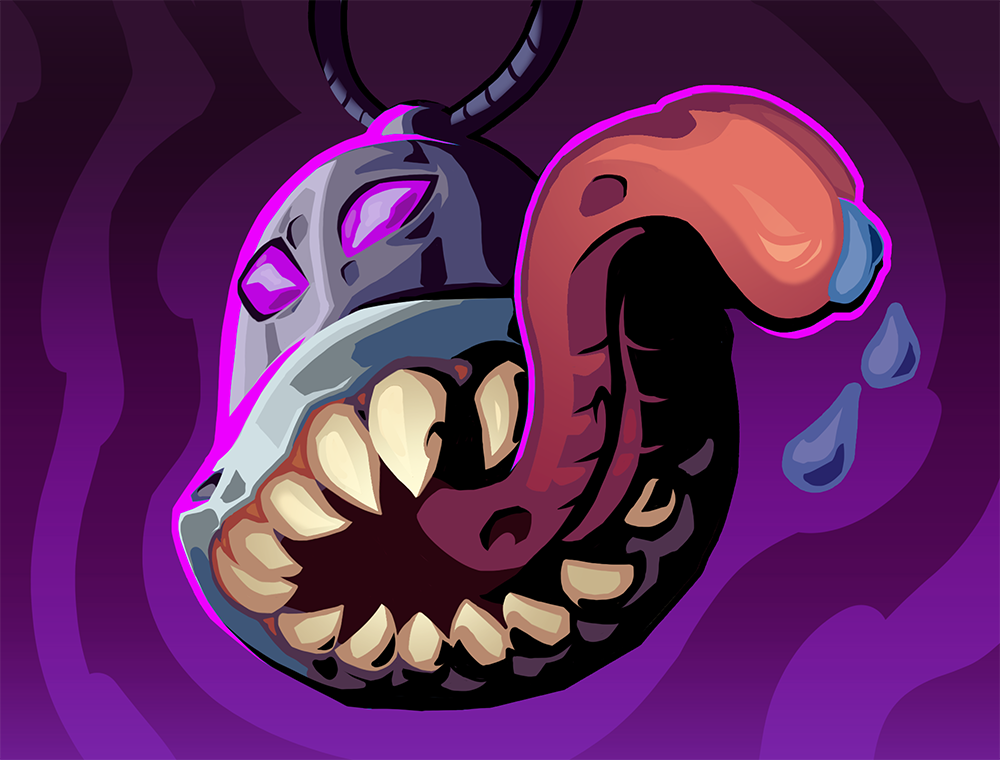
Open the card page for the full rules text.
FAQ
The usual misses are simple: mixing up end-of-turn loss with post-play removal, or forgetting that some upgrades add the keyword later.
Ethereal checks whether the card is still sitting in your hand at end of turn. Exhaust describes where the card goes once it resolves. One is a hand-state timer. The other is a post-play destination.
A small slice of cards gains Innate or Retain only on the upgraded frame. If the keyword is not printed on the base version, you do not get the rule early just because the upgraded card has it later.
No. This page is the card-keyword dictionary. Broader combat states, powers, and encounter rules belong on the Powers Database, card pages, or the relevant planner pages.
Because the current live card set keeps that keyword tightly focused. The glossary shows where the keyword actually appears instead of pretending every mechanic is evenly distributed.